Mount Kilimanjaro
Stand on the Roof of Africa at 5,895 meters
Climb with Serenity Africa Safaris - your local experts with over 15 years of experience and a 95% summit success rate
About Mount Kilimanjaro
Mount Kilimanjaro is the highest mountain in Africa and the tallest free-standing mountain in the world, rising 5,895 meters (19,341 feet) above sea level. Located in northeastern Tanzania near the Kenyan border, this dormant stratovolcano is one of the Seven Summits and attracts over 50,000 climbers annually.
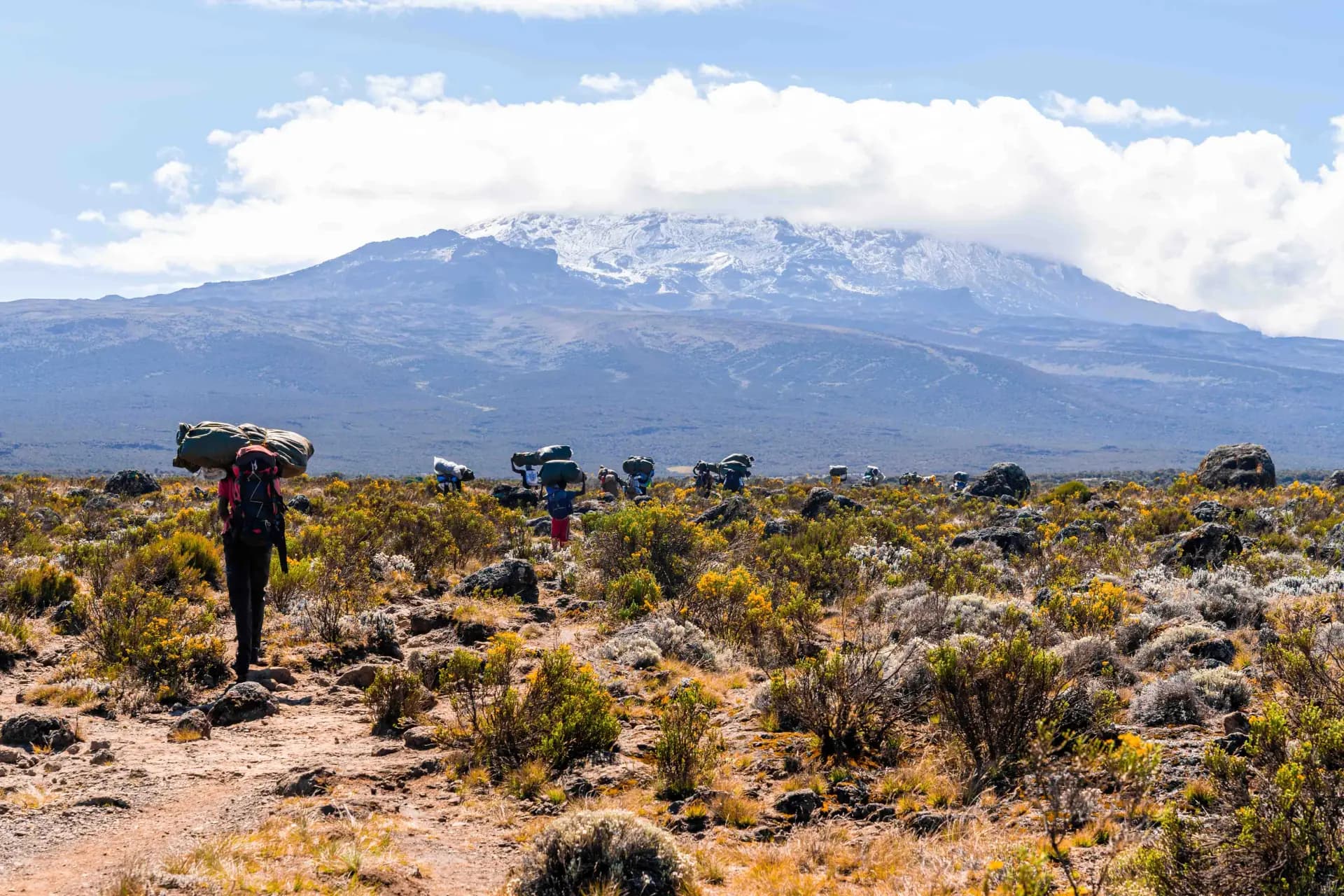
What makes Kilimanjaro truly unique is that it requires no technical climbing skills - it's a challenging trek accessible to anyone with determination and proper preparation. The mountain features three volcanic cones: Kibo (the highest), Mawenzi, and Shira.
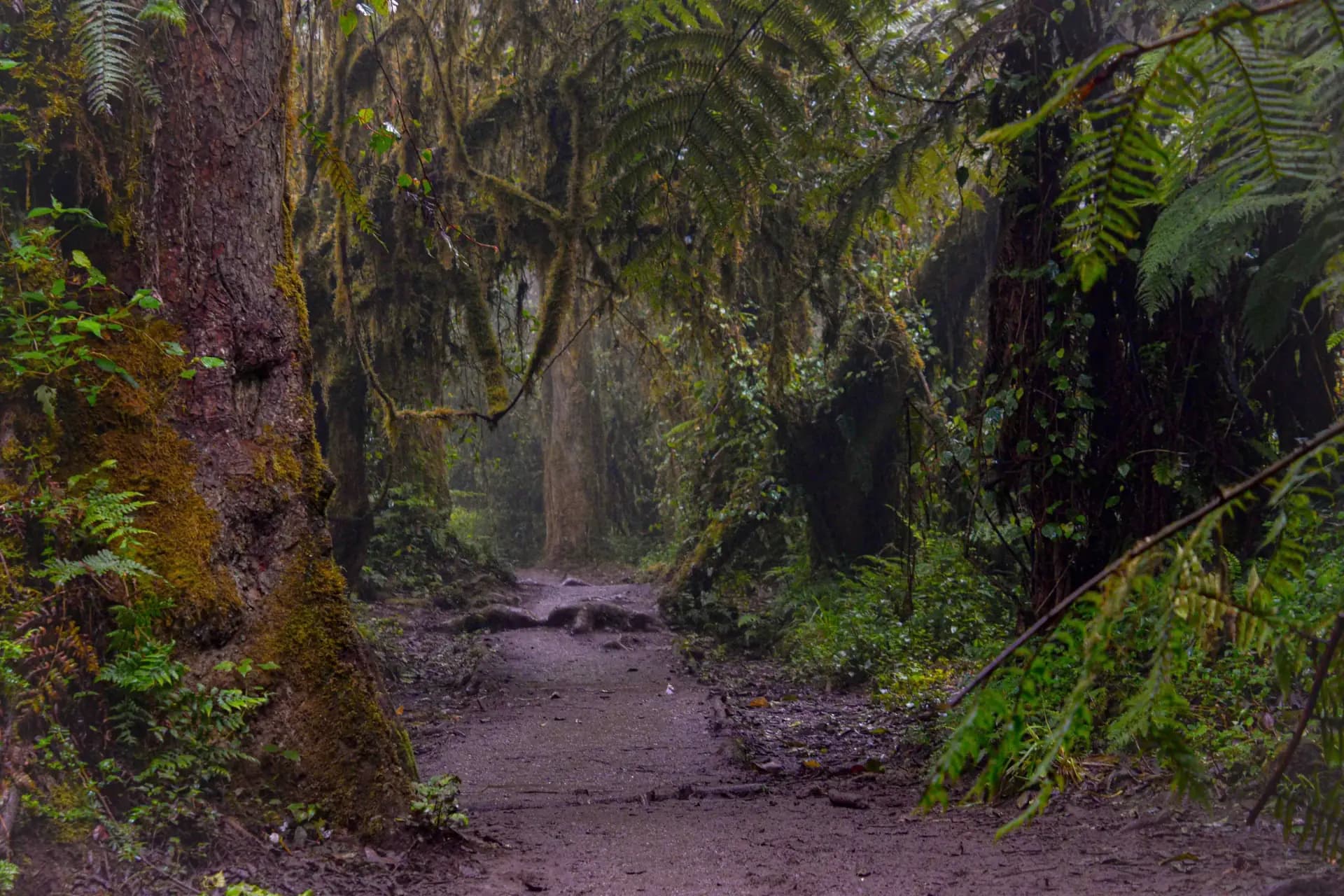
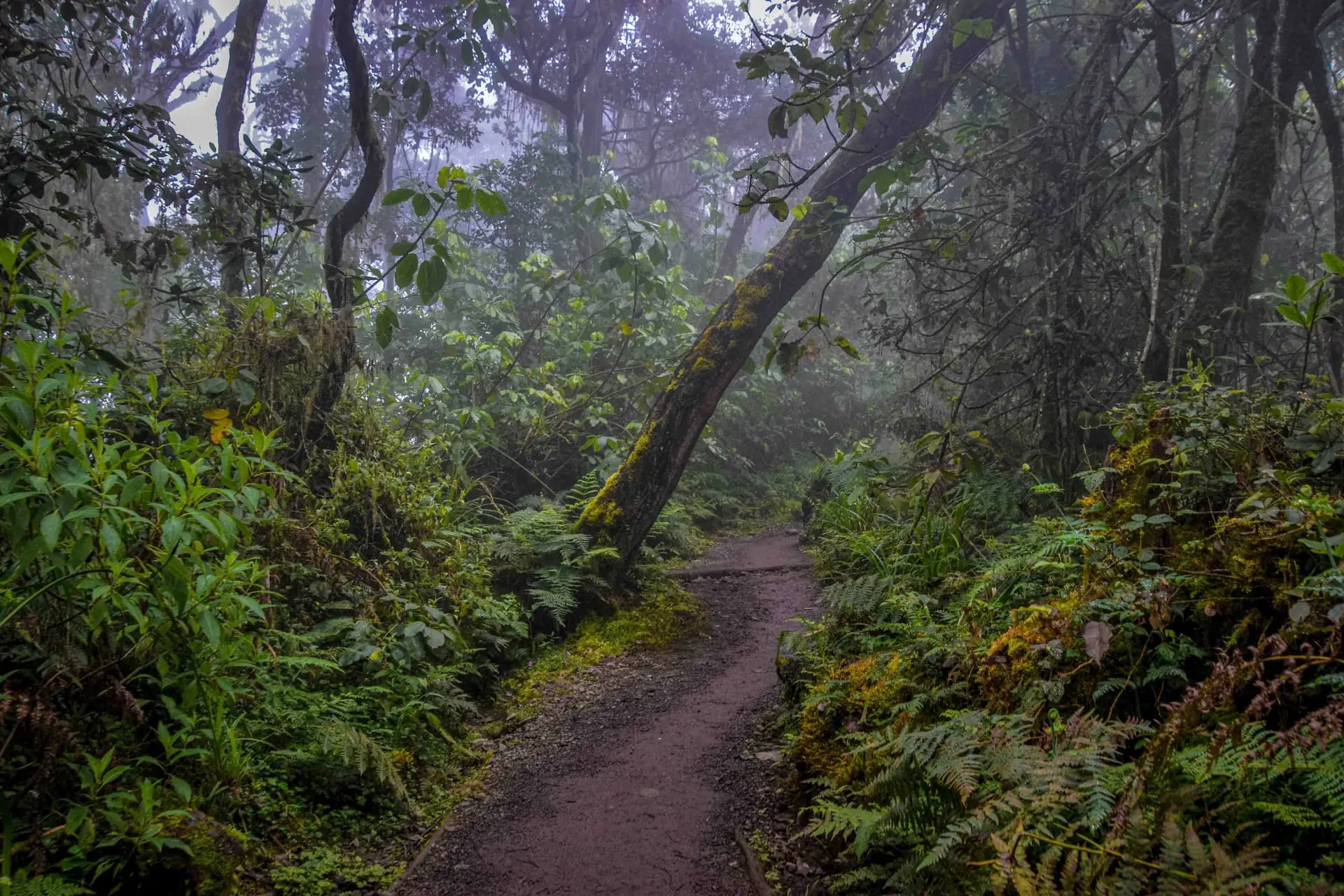
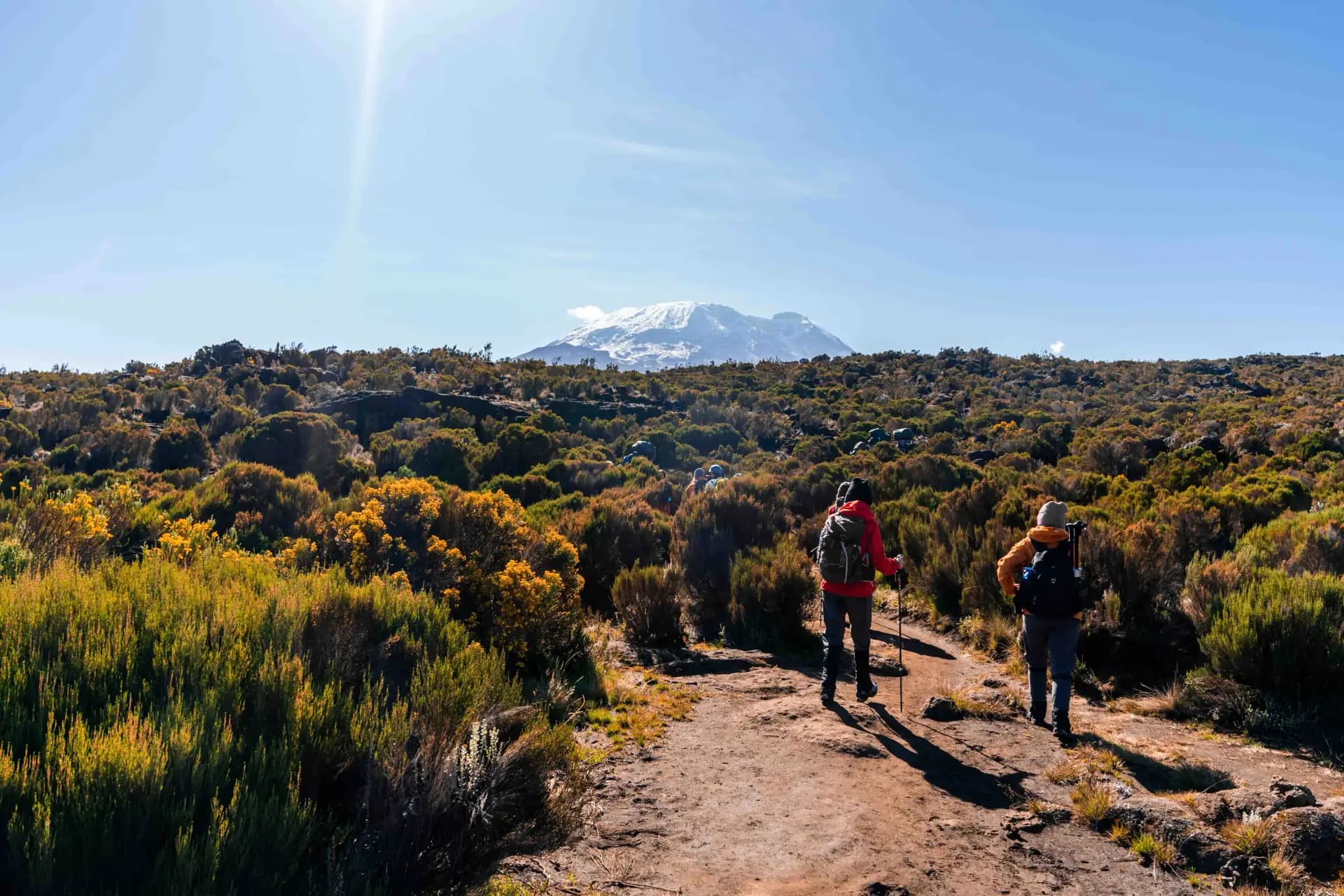
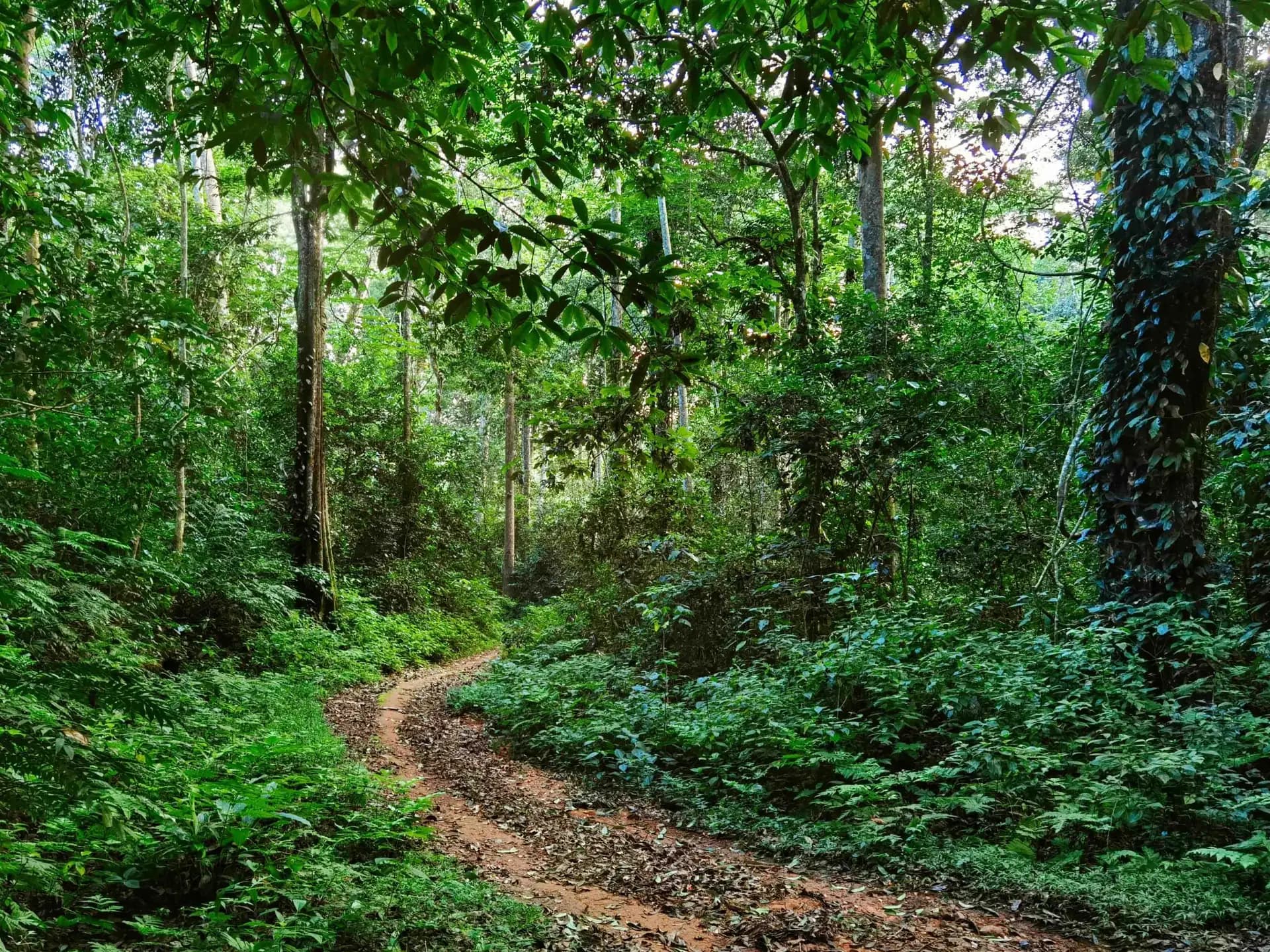
Climbers journey through five distinct ecological zones: cultivated farmland, lush rainforest, heath and moorland, alpine desert, and finally the arctic summit zone with its glaciers and ice fields. This incredible diversity in just a few days of trekking is unmatched anywhere on Earth.
For the Chagga people who live on Kilimanjaro's slopes, the mountain is sacred. Its name likely derives from the Swahili words "Kilima" (mountain) and "Njaro" (whiteness), referring to its snow-capped peak - though sadly, climate change is causing these glaciers to recede.
What to Expect: A Typical Climb
While each route differs, here's a general overview of what your Kilimanjaro adventure will look like
Arrive at Kilimanjaro International Airport. Transfer to your hotel in Moshi. Meet your guide for a comprehensive briefing and gear check. Rest and prepare for your adventure.
Trek through five distinct climate zones: rainforest, heath and moorland, alpine desert, and finally the arctic summit zone. Each day brings new landscapes, from lush vegetation to barren volcanic rock.
Begin around midnight for the final ascent. Reach Stella Point at dawn (5,756m), then continue to Uhuru Peak (5,895m) - the Roof of Africa. Witness the sunrise over the glaciers before descending.
Descend through the moorland and rainforest zones. Receive your summit certificate at the gate. Transfer back to Moshi for a well-deserved celebration and hot shower.
For detailed day-by-day itineraries, explore our individual route pages below
Choose Your Route
Six distinct paths to the summit, each offering unique experiences, challenges, and scenery
The premier route for acclimatization and scenic views. Approaching from the west, offering the highest success rates.
Best For:
First-timers seeking high success
Highlights:
The popular 'Whiskey Route'. Known for its steep profile, scenic beauty, and excellent climb-high sleep-low opportunities.
Best For:
Adventurous trekkers
Highlights:
The classic 'Coca-Cola Route'. The only trail offering hut accommodation instead of camping.
Best For:
Those preferring hut comfort
Highlights:
The only route approaching from the north. Drier, wilder, and less crowded than southern routes.
Best For:
Those seeking solitude
Highlights:
The steepest and most challenging route. Recommended only for experienced trekkers looking for a quiet climb.
Best For:
Experienced mountaineers
Highlights:
The newest and longest route on Kilimanjaro. Unmatched 360-degree scenery and the highest summit success rate.
Best For:
Those wanting the best acclimatization
Highlights:
Quick Route Comparison
Easiest
Marangu
Most Scenic
Lemosho
Most Popular
Machame
Quietest
Northern Circuit
Best Success
Northern Circuit
Most Challenging
Umbwe
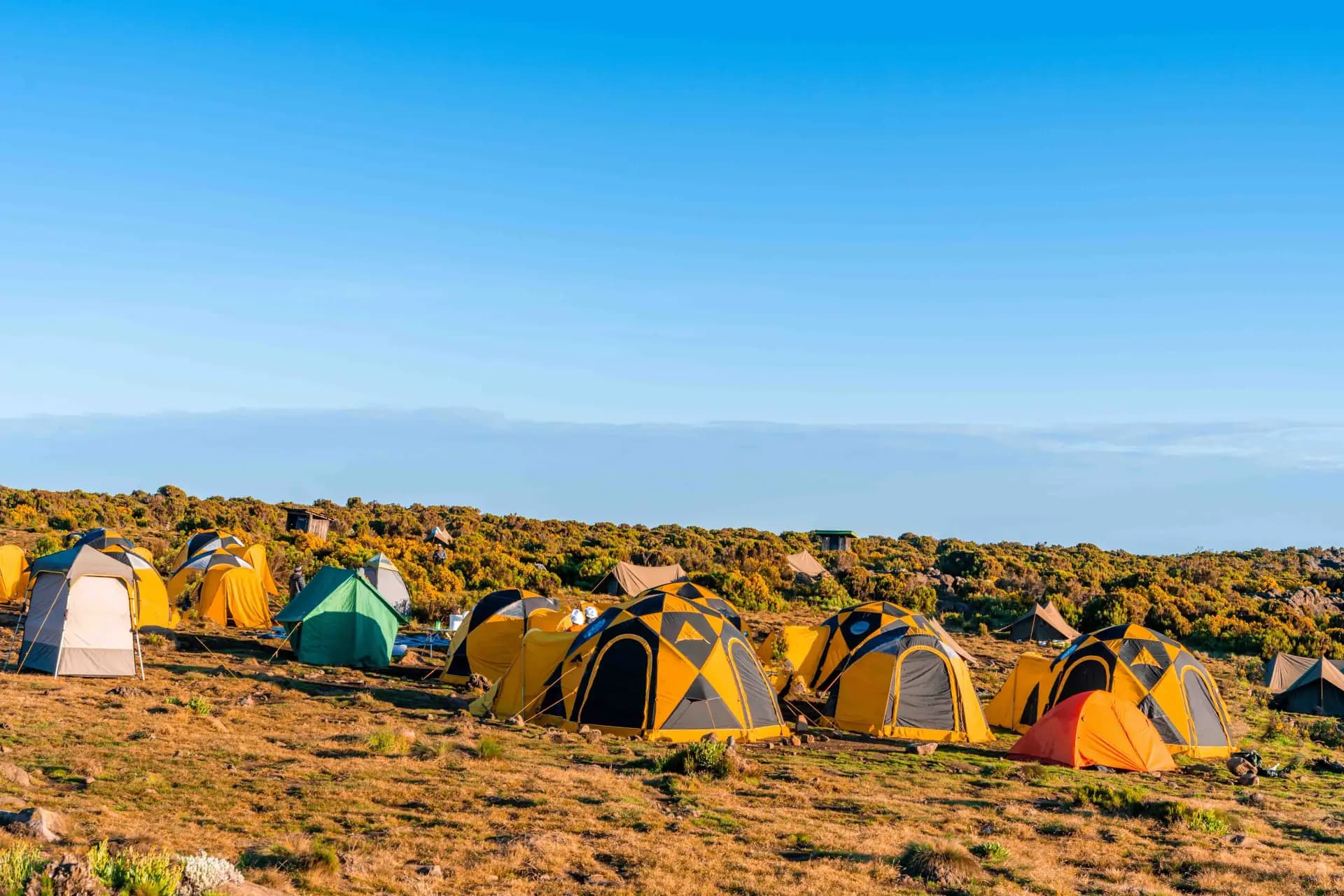
Kilimanjaro Expedition Gallery
Witness the diverse landscapes and the final push to Uhuru Peak.
Best Time to Climb Mount Kilimanjaro
Kilimanjaro can be climbed year-round, but certain months offer better conditions
Advantages
- • Warmest temperatures on the mountain
- • Clear skies and excellent visibility
- • Less crowded than June-October
- • Beautiful views of the glaciers
Conditions
Dry season with minimal rainfall. Daytime temperatures range from 20-25°C in lower zones, -10 to -20°C at summit.
Advantages
- • Driest months of the year
- • Most stable weather conditions
- • Coincides with Northern Hemisphere summer
- • Best for combining with safari
Conditions
Peak climbing season. Colder than January-March but very dry. More crowded on popular routes. Book 6-12 months in advance.
Other Months
April-May and November are the wettest months with afternoon rains. Routes are less crowded and prices may be lower, but success rates decrease due to weather. The Rongai Route (northern approach) is drier during these months.
Safety & Acclimatization
Your safety is our top priority. Here's how Serenity Africa Safaris ensures a safe and successful climb
Professional Guides
All guides are Wilderness First Responder certified with 10+ years experience
Daily Health Checks
Twice-daily pulse oximeter readings and symptom monitoring
Proper Acclimatization
"Climb high, sleep low" strategy built into all our itineraries
Emergency Protocols
AMREF Flying Doctors evacuation insurance included for all climbers
Our Acclimatization Approach
Gradual Ascent
We never ascend more than 600m per day above 3,000m. This allows your body to produce more red blood cells and adjust to lower oxygen levels.
Acclimatization Days
On longer routes, we include dedicated acclimatization days where you climb higher during the day and return to sleep at a lower elevation.
Slow Pace
"Pole pole" (slowly slowly in Swahili) is our motto. A slower pace allows better acclimatization and conserves energy for summit night.
Oxygen & Medication
We carry supplemental oxygen and altitude sickness medication (Diamox) for emergencies. Our guides are trained to recognize symptoms early.
What's Included & Excluded
- All Kilimanjaro National Park fees and permits
- Professional mountain guides (Wilderness First Responder certified)
- Experienced porters and mountain cook
- 3 nutritious meals per day on the mountain
- Purified drinking water throughout the trek
- Quality 4-season mountain tents (2-person tents for single use)
- Sleeping mattresses (foam or inflatable)
- Portable private toilet tent
- Mess tent with tables and chairs
- Pulse oximeter for daily health monitoring
- First aid kit and emergency oxygen
- AMREF Flying Doctors evacuation insurance
- Airport transfers (Kilimanjaro Airport to Moshi)
- Pre-climb briefing and gear check
- Summit certificate upon successful completion
- ✕International and domestic flights
- ✕Tanzania visa fees ($50-100 USD)
- ✕Travel and medical insurance (mandatory)
- ✕Personal trekking gear (boots, clothing, sleeping bag)
- ✕Tips for guides, porters, and cook (budget $250-350 USD)
- ✕Personal expenses (laundry, phone calls, souvenirs)
- ✕Meals and drinks in Moshi (before and after trek)
- ✕Hotel accommodation in Moshi (can be arranged)
- ✕Optional portable toilet rental ($100-150)
- ✕Gamow bag rental (for severe altitude sickness)
- ✕Extra porter for personal gear above 15kg
- ✕Sleeping bag rental ($30-50 if needed)
- ✕Trekking pole rental ($10-15 if needed)
Important Note on Tipping
Tipping is customary and expected in Tanzania. Your crew works incredibly hard to ensure your success and safety. Recommended amounts: $250-300 for guides, $150-200 for assistant guides, $100-150 for cook, and $50-75 per porter. We provide detailed tipping guidelines during your pre-climb briefing.
Frequently Asked Questions
Everything you need to know before climbing Kilimanjaro
Have more questions? We're here to help!
Contact Our Kilimanjaro ExpertsReady to Climb Mount Kilimanjaro?
Join hundreds of successful climbers who have reached the Roof of Africa with Serenity Africa Safaris. Let's plan your adventure today.